• Skip to primary navigation
  • Skip to main content
StyleUp

StyleUp

Personal Colour Analysis in Singapore

  • Home
  • Services
  • Blog

admin

Personal Colour Analysis for Special Occasions: From Weddings to Gala Dinners in Singapore

November 13, 2025 by admin

Table of Contents

  1. Introduction
  2. Understanding Personal Colour Analysis
    • Seasonal Colour Analysis Overview
    • How Undertones and Contrast Affect Appearance
  3. Why Colour Matters for Special Occasions
    • Enhancing Skin Tone and Features
    • Creating Visual Harmony in Photos
  4. Selecting the Right Outfit Colours
    • Weddings: Guest and Bridal Considerations
    • Gala Dinners and Formal Events
    • Festivals and Cultural Celebrations
  5. Matching Accessories and Makeup
    • Jewellery, Shoes, and Bags
    • Lipsticks, Blush, and Eye Makeup
  6. Coordinating Couples and Group Outfits
    • Colour Harmony in Pairs and Groups
    • Avoiding Clashes in Photos
  7. Adapting Your Palette to Singapore’s Lighting and Climate
    • Natural Daylight vs. Event Lighting
    • Humidity and Fabric Choices
  8. Sustainable and Ethical Choices for Special Occasions
    • Renting and Upcycling Outfits
    • Choosing Sustainable Fabrics
  9. Practical Tips for Shopping and Planning
    • Local Boutiques and Designers
    • Online Resources and Colour Consultations
    • Trial Runs and Fittings
  10. Conclusion
  11. References and Further Reading

1. Introduction

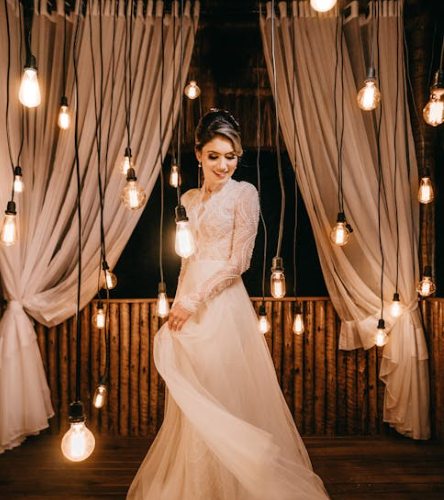
Special occasions in Singapore, such as weddings, gala dinners, or festive events, demand careful attention to styling. Personal colour analysis provides a roadmap for selecting colours that enhance natural beauty and ensure that outfits look stunning in person and on camera. By aligning clothing, accessories, and makeup with your seasonal palette, you can achieve a cohesive and flattering appearance that boosts confidence and leaves a lasting impression.
Personal Colour Analysis for Special Occasions: From Weddings to Gala Dinners in Singapore

2. Understanding Personal Colour Analysis

Seasonal Colour Analysis Overview

Seasonal colour analysis classifies individuals into Spring, Summer, Autumn, or Winter palettes based on skin undertones, hair colour, and eye colour. Each season includes colours that naturally complement your complexion and features.

How Undertones and Contrast Affect Appearance

Understanding whether your undertone is warm or cool, and your contrast level is high or low, helps in selecting colours that enhance your natural glow, especially for special events where photographs capture every detail.


3. Why Colour Matters for Special Occasions

Enhancing Skin Tone and Features

Wearing colours aligned with your seasonal palette brightens your complexion, highlights your eyes, and ensures makeup blends seamlessly.

Creating Visual Harmony in Photos

Coordinated colours prevent clashes and help you stand out elegantly in group photos, wedding portraits, or event photography.


4. Selecting the Right Outfit Colours

Weddings: Guest and Bridal Considerations

  • Guests: Choose colours that complement the wedding theme while matching your palette. Avoid tones that wash out your complexion.
  • Bridal Attire: For brides and grooms, seasonal colours can guide gown, suit, and accessory choices for a balanced, flattering appearance.

Gala Dinners and Formal Events

  • Winter palettes can handle bold, high-contrast colours for dramatic impact.
  • Summer palettes benefit from soft pastels or muted tones for refined elegance.

Festivals and Cultural Celebrations

  • Incorporate vibrant, season-appropriate colours in harmony with traditional attire, enhancing both style and cultural expression.

5. Matching Accessories and Makeup

Jewellery, Shoes, and Bags

  • Choose metals, gemstones, and leather accessories aligned with your palette.
  • Consider statement pieces versus subtle accents depending on the event.

Lipsticks, Blush, and Eye Makeup

  • Coordinate makeup shades with your seasonal palette to achieve a harmonious overall look.
  • Spring palettes work well with warm corals and peaches, while Winter palettes suit bold reds and cool tones.

6. Coordinating Couples and Group Outfits

Colour Harmony in Pairs and Groups

  • Use complementary palettes for coordinated appearances without exact matches.
  • Couples can mix analogous or accent colours to maintain visual cohesion.

Avoiding Clashes in Photos

  • Stick to the shared seasonal palette to ensure all individuals appear balanced and photogenic.

7. Adapting Your Palette to Singapore’s Lighting and Climate

Natural Daylight vs. Event Lighting

  • Bright daylight can exaggerate contrasts; softer event lighting may require deeper or more saturated shades.

Humidity and Fabric Choices

  • Opt for breathable fabrics like cotton, silk, or linen blends.
  • Consider colourfast materials to maintain vibrancy in humid conditions.

8. Sustainable and Ethical Choices for Special Occasions

Renting and Upcycling Outfits

  • Renting formalwear allows access to season-appropriate colours without long-term storage issues.
  • Upcycling older outfits reduces waste and keeps your wardrobe fresh.

Choosing Sustainable Fabrics

  • Organic cotton, bamboo, and recycled materials maintain your colour palette while supporting eco-conscious fashion.

9. Practical Tips for Shopping and Planning

Local Boutiques and Designers

  • Seek designers in Singapore who specialize in seasonal colours and tailored fits.

Online Resources and Colour Consultations

  • Virtual colour consultations and online boutiques can help you choose the right shades before visiting stores.

Trial Runs and Fittings

  • Schedule fittings in proper lighting to assess how colours interact with your complexion.

10. Conclusion

Personal colour analysis is a valuable tool for navigating special occasions with confidence. By understanding your seasonal palette, you can make informed choices about clothing, accessories, and makeup that enhance your natural features, suit the Singaporean climate, and photograph beautifully. Whether attending a wedding, gala dinner, or festive celebration, your colour-savvy choices will ensure a cohesive and elegant look.


11. References and Further Reading

  • Colour Analysis for Weddings: Choosing Outfits That Photograph Beautifully in Singapore’s Light – Learn more about applying seasonal colour analysis for weddings and other special occasions.
  • The Science Behind Seasonal Colour Analysis: How It Works – Understand the principles of seasonal colour analysis to guide your styling choices.
Filed Under: Colour Analysis

The Role of Accessories in Enhancing Your Personal Colour Palette

November 9, 2025 by admin

Table of Contents

  1. Introduction
  2. Understanding Personal Colour Palettes
    • Seasonal Colour Analysis Overview
    • Importance of Undertones and Contrast Levels
  3. Why Accessories Matter in Personal Styling
    • Accentuating Your Best Features
    • Adding Depth and Dimension to Outfits
  4. Types of Accessories to Complement Your Palette
    • Jewelry: Metals, Gemstones, and Colours
    • Scarves, Belts, and Hats
    • Bags and Footwear
    • Eyewear and Watches
  5. Matching Accessories to Your Colour Season
    • Spring: Light, Warm, and Vibrant Accents
    • Summer: Soft, Cool, and Muted Tones
    • Autumn: Rich, Earthy, and Textured Pieces
    • Winter: Bold, Cool, and High-Contrast Elements
  6. Combining Accessories With Outfit Colours
    • Coordinating With Clothing Patterns
    • Balancing Bold Accessories With Neutrals
    • Layering and Mixing Textures
  7. Special Occasion Styling
    • Office and Corporate Settings
    • Casual and Weekend Looks
    • Festive Events and Parties
  8. Sustainable and Ethical Accessories
    • Eco-Friendly Materials
    • Supporting Local Singaporean Artisans
  9. Practical Tips for Shopping in Singapore
    • Local Boutiques and Specialty Stores
    • Online Platforms for Colour-Matched Accessories
    • Assessing Quality and Longevity
  10. Conclusion
  11. References and Further Reading

1. Introduction

Accessories can dramatically transform an outfit, enhancing your overall appearance and helping you express your personal style. By choosing accessories that align with your personal colour palette, you ensure that each piece harmonizes with your natural tones and elevates your wardrobe. In Singapore’s vibrant fashion scene, understanding how to integrate seasonal colours into your accessories can give you a confident and polished look.

The Role of Accessories in Enhancing Your Personal Colour Palette

2. Understanding Personal Colour Palettes

Seasonal Colour Analysis Overview

Seasonal colour analysis divides individuals into Spring, Summer, Autumn, and Winter categories based on skin tone, hair colour, and eye colour. Each season has a palette of colours that enhance natural beauty.

Importance of Undertones and Contrast Levels

Accessories that reflect your undertones and seasonal contrast level enhance your appearance, making your skin appear healthier and your features more defined.


3. Why Accessories Matter in Personal Styling

Accentuating Your Best Features

Accessories draw attention to key areas such as the face, neckline, or wrists. A well-chosen necklace, scarf, or pair of earrings can complement your natural colouring and highlight your best features.

Adding Depth and Dimension to Outfits

Layering accessories in complementary colours and textures creates depth, interest, and visual balance in your ensemble.


4. Types of Accessories to Complement Your Palette

Jewelry: Metals, Gemstones, and Colours

  • Spring: Gold tones, warm gemstones like amber and coral.
  • Summer: Silver or white gold, pastel gemstones like aquamarine and rose quartz.
  • Autumn: Bronze, copper, and earthy gemstones like tiger’s eye or amber.
  • Winter: Platinum or white gold, bold gemstones like sapphire, ruby, and emerald.

Scarves, Belts, and Hats

  • Coordinate scarves and belts with your seasonal palette to add pops of colour or subtle complements.
  • Hats can frame your face and emphasize your seasonal tones.

Bags and Footwear

  • Shoes and bags in colours aligned with your palette reinforce cohesive styling.
  • Consider neutral basics and statement pieces that reflect your season.

Eyewear and Watches

  • Frame colours for glasses should harmonize with skin undertones.
  • Watches can serve as both functional and stylish accent pieces that complement your palette.

5. Matching Accessories to Your Colour Season

Spring: Light, Warm, and Vibrant Accents

  • Choose warm, bright, and cheerful shades like peach, coral, and soft yellow.
  • Lightweight materials and natural textures work well in Singapore’s climate.

Summer: Soft, Cool, and Muted Tones

  • Opt for pastel or muted shades such as lavender, powder blue, and soft pink.
  • Silky fabrics and delicate metallics enhance the soft, romantic feel.

Autumn: Rich, Earthy, and Textured Pieces

  • Embrace deep greens, burnt orange, mustard, and brown.
  • Leather, suede, and wooden accents create warmth and richness.

Winter: Bold, Cool, and High-Contrast Elements

  • Choose striking shades like royal blue, deep red, black, and crisp white.
  • Structured, statement-making pieces complement high-contrast outfits.

6. Combining Accessories With Outfit Colours

Coordinating With Clothing Patterns

  • Use your palette to select accessories that either blend or contrast strategically with patterned clothing.
  • Avoid clashing by sticking within your seasonal palette.

Balancing Bold Accessories With Neutrals

  • Pair statement pieces with neutral outfits to allow accessories to shine without overwhelming your look.

Layering and Mixing Textures

  • Mixing metal types, fabric textures, and gemstone cuts adds depth while staying cohesive with your seasonal palette.

7. Special Occasion Styling

Office and Corporate Settings

  • Choose refined, subtle accessories in colours aligned with your palette for a professional yet stylish appearance.

Casual and Weekend Looks

  • Experiment with playful colours and textures that reflect your season, keeping comfort and practicality in mind.

Festive Events and Parties

  • Layer statement jewellery, scarves, or bags that complement your seasonal palette for a striking, memorable look.

8. Sustainable and Ethical Accessories

Eco-Friendly Materials

  • Opt for accessories made from recycled metals, organic fabrics, and sustainably sourced gemstones.

Supporting Local Singaporean Artisans

  • Purchasing from local designers allows you to obtain unique, colour-aligned accessories while supporting sustainable practices.

9. Practical Tips for Shopping in Singapore

Local Boutiques and Specialty Stores

  • Look for stores that offer curated collections aligned with seasonal palettes.

Online Platforms for Colour-Matched Accessories

  • Many online retailers allow filtering by colour or provide virtual try-on tools to match your palette.

Assessing Quality and Longevity

  • Check materials, construction, and durability to ensure your accessories remain stylish and functional over time.

10. Conclusion

Accessories are essential tools for enhancing your personal colour palette and elevating your overall style. By strategically selecting jewellery, scarves, bags, footwear, and eyewear that align with your seasonal colours, you can create cohesive, polished, and confident looks suitable for any occasion. Integrating these choices thoughtfully ensures your style is both flattering and enduring.


11. References and Further Reading

  • How to Coordinate Jewellery with Your Personal Colour Palette – Explore tips on matching accessories with your seasonal colours for a harmonious and stylish appearance.
  • The Science Behind Seasonal Colour Analysis: How It Works – Understand the principles of seasonal colour analysis to guide accessory and fashion choices.

Filed Under: Colour Analysis

Eco-Friendly Fashion: Choosing Sustainable Fabrics That Complement Your Personal Colour Palette

November 6, 2025 by admin

Table of Contents

  1. Introduction
  2. Understanding Sustainable Fashion
    • What Is Sustainable Fashion?
    • Benefits for the Environment and Personal Style
  3. The Importance of Personal Colour Palettes in Fashion Choices
    • Overview of Seasonal Colour Analysis
    • How Colours Affect Appearance and Confidence
  4. Choosing Sustainable Fabrics for Each Colour Season
    • Spring: Light, Warm, and Bright Fabrics
    • Summer: Soft, Cool, and Muted Fabrics
    • Autumn: Rich, Earthy, and Textured Fabrics
    • Winter: Bold, Cool, and High-Contrast Fabrics
  5. Fabric Types and Sustainability Considerations
    • Organic Cotton and Linen
    • Bamboo and Tencel
    • Recycled Polyester and Eco-Friendly Synthetics
    • Hemp and Wool
  6. Shopping Smart in Singapore
    • Local Brands and Stores Offering Sustainable Fashion
    • Seasonal Collections and Colour Alignment
    • Tips for Online Shopping
  7. Maintaining Your Sustainable Wardrobe
    • Proper Care to Preserve Colour and Fabric Integrity
    • Upcycling and Restyling Old Pieces
    • Reducing Waste Through Thoughtful Purchases
  8. Combining Style and Sustainability
    • Accessorizing with Eco-Friendly Items
    • Capsule Wardrobe Planning Based on Your Palette
    • Balancing Fashion Trends With Personal Colours
  9. Challenges and Solutions
    • Finding the Right Colours in Sustainable Fabrics
    • Cost vs. Long-Term Value
    • Overcoming Limited Availability in Tropical Singapore
  10. Conclusion
  11. References and Further Reading

1. Introduction

Sustainable fashion is becoming an essential consideration for conscious consumers, especially in urban settings like Singapore. Beyond the environmental benefits, sustainable fabrics and practices can be harmonized with personal colour palettes to create a wardrobe that is both eco-friendly and flattering. By selecting materials and colours that complement your seasonal palette, you can maintain a stylish, coordinated look while contributing positively to the planet.

Eco-Friendly Fashion: Choosing Sustainable Fabrics That Complement Your Personal Colour Palette

2. Understanding Sustainable Fashion

What Is Sustainable Fashion?

Sustainable fashion refers to clothing produced with minimal environmental impact, ethical labor practices, and long-term durability. It emphasizes the use of organic or recycled materials, eco-friendly dyes, and responsible manufacturing processes.

Benefits for the Environment and Personal Style

Sustainable fashion reduces pollution, waste, and resource consumption. For personal style, it encourages thoughtful selection of garments, focusing on quality and longevity rather than fast-fashion trends.


3. The Importance of Personal Colour Palettes in Fashion Choices

Overview of Seasonal Colour Analysis

Seasonal colour analysis categorizes individuals into Spring, Summer, Autumn, or Winter palettes based on skin undertones, hair, and eyes. These palettes guide the selection of colours that enhance natural beauty and personal confidence.

How Colours Affect Appearance and Confidence

Wearing colours aligned with your palette makes your skin appear healthier, your features more defined, and your overall presence more polished. Integrating sustainable fabrics with your palette ensures that eco-conscious choices do not compromise style.


4. Choosing Sustainable Fabrics for Each Colour Season

Spring: Light, Warm, and Bright Fabrics

Opt for organic cotton, bamboo, or linen in warm yellows, corals, and soft greens. These fabrics are breathable for Singapore’s tropical climate and maintain brightness over time.

Summer: Soft, Cool, and Muted Fabrics

Choose Tencel, organic cotton, or lightweight bamboo in pastel blues, lavenders, and dusty pinks. These materials complement muted tones and offer comfort in humid conditions.

Autumn: Rich, Earthy, and Textured Fabrics

Look for hemp, wool blends, and sustainable synthetics in deep oranges, olive greens, and browns. Textured fabrics add depth and align with the earthy aesthetic of Autumn palettes.

Winter: Bold, Cool, and High-Contrast Fabrics

Select recycled polyester, organic cotton, and eco-friendly synthetics in navy, royal blue, black, and jewel tones. These fabrics hold bold colours well and support structured silhouettes.


5. Fabric Types and Sustainability Considerations

Organic Cotton and Linen

  • Soft, breathable, and naturally dyed with minimal chemicals.
  • Ideal for light and muted palettes.

Bamboo and Tencel

  • Eco-friendly, moisture-wicking, and silky-smooth.
  • Suitable for warm and tropical climates.

Recycled Polyester and Eco-Friendly Synthetics

  • Reduce reliance on virgin materials.
  • Maintain vibrant Winter and Autumn shades.

Hemp and Wool

  • Durable and biodegradable.
  • Provide texture and warmth for Autumn and Winter wardrobes.

6. Shopping Smart in Singapore

Local Brands and Stores Offering Sustainable Fashion

Highlight Singaporean boutiques that prioritize eco-friendly fabrics and collections aligned with seasonal palettes.

Seasonal Collections and Colour Alignment

Check seasonal launches to find sustainable fabrics in colours that match your personal palette.

Tips for Online Shopping

  • Verify fabric composition and sustainability certifications.
  • Look for natural, fade-resistant dyes.
  • Read reviews regarding fabric feel and durability.

7. Maintaining Your Sustainable Wardrobe

Proper Care to Preserve Colour and Fabric Integrity

  • Wash with mild detergents, cold water, and gentle cycles.
  • Air-dry where possible to prevent fabric degradation.

Upcycling and Restyling Old Pieces

  • Convert older garments into new items to extend lifespan.
  • Combine pieces across seasons to refresh your wardrobe sustainably.

Reducing Waste Through Thoughtful Purchases

  • Prioritize versatile items.
  • Avoid impulse buying and fast fashion.

8. Combining Style and Sustainability

Accessorizing with Eco-Friendly Items

  • Select bags, shoes, and jewelry made from recycled or sustainable materials.
  • Align accessory colours with your seasonal palette.

Capsule Wardrobe Planning Based on Your Palette

  • Focus on key, versatile pieces that match seasonal colours.
  • Rotate items to maximize usage and minimize consumption.

Balancing Fashion Trends With Personal Colours

  • Incorporate trending styles through eco-friendly fabrics in your palette colours.
  • Avoid short-lived trends in unsustainable materials.

9. Challenges and Solutions

Finding the Right Colours in Sustainable Fabrics

  • Seek brands that specialize in natural dyes and seasonal colour ranges.

Cost vs. Long-Term Value

  • Sustainable fabrics may be pricier initially but save money through durability and reduced need for replacements.

Overcoming Limited Availability in Tropical Singapore

  • Combine online and local sourcing.
  • Focus on versatile colours that fit multiple outfits.

10. Conclusion

Integrating sustainable fashion with your personal colour palette allows you to maintain a stylish and eco-conscious wardrobe. By carefully selecting fabrics, maintaining garments, and shopping mindfully, you can contribute to a healthier environment while enhancing your appearance and confidence. Sustainable choices need not compromise style; instead, they offer a curated, thoughtful approach to fashion that aligns perfectly with seasonal colour analysis.


11. References and Further Reading

  • Sustainable Fashion in Singapore: Choosing Colours That Last and Stay Stylish – Learn more about eco-conscious choices that harmonize with your personal colour palette.
  • The Science Behind Seasonal Colour Analysis: How It Works – Understand the principles of seasonal colour analysis to guide your wardrobe decisions.

Filed Under: Colour Analysis

How Seasonal Colour Analysis Can Influence Your Home Décor Choices in Singapore

November 2, 2025 by admin

Table of Contents

  1. Introduction
  2. Understanding Seasonal Colour Analysis
    • What Is Seasonal Colour Analysis?
    • The Four Colour Seasons and Their Characteristics
  3. Why Colour Matters in Home Décor
    • Psychological Impact of Colours
    • How Colours Affect Mood and Perception of Space
  4. Applying Seasonal Colour Palettes to Singapore Homes
    • Tropical Climate Considerations
    • Natural Light and Interior Colour Choices
  5. Room-by-Room Colour Recommendations
    • Living Room
    • Bedroom
    • Kitchen and Dining Areas
    • Bathrooms and Utility Spaces
  6. Choosing Furniture and Accent Pieces Based on Your Colour Season
    • Furniture Finishes and Fabrics
    • Decorative Items and Artwork
    • Soft Furnishings: Curtains, Cushions, and Rugs
  7. Seasonal Colour Coordination Tips
    • Mixing and Matching Within Your Palette
    • Balancing Bold and Neutral Tones
    • When to Introduce Complementary Colours
  8. Sustainable Home Décor Choices Aligned With Your Palette
    • Eco-Friendly Materials
    • Longevity of Colour in Tropical Conditions
  9. Practical Examples of Colour Implementation in Singapore Homes
    • Tropical-Inspired Palettes
    • Minimalist Seasonal Interiors
    • Vibrant and Eclectic Spaces
  10. Conclusion
  11. References and Further Reading

1. Introduction

Seasonal colour analysis is a concept traditionally associated with personal styling, helping individuals identify the hues that enhance their natural features. However, the principles of seasonal colour analysis can be extended to home décor, offering a unique and personalized approach to designing living spaces. In Singapore, where tropical climates and abundant natural light play a significant role in interior aesthetics, integrating your seasonal colour palette can transform your home into a harmonious and visually pleasing environment. This article explores how homeowners can use their personal colour seasons to make informed decisions about paints, furnishings, and decorative accents.

How Seasonal Colour Analysis Can Influence Your Home Décor Choices in Singapore

2. Understanding Seasonal Colour Analysis

What Is Seasonal Colour Analysis?

Seasonal colour analysis is a method of categorizing natural colouring — including skin tone, hair, and eyes — into seasonal palettes: Spring, Summer, Autumn, and Winter. Each season is associated with a specific range of colours that complement the individual’s undertones and overall appearance. By understanding your seasonal palette, you can select colours that enhance natural beauty, which can also be translated to home décor.

The Four Colour Seasons and Their Characteristics

  1. Spring: Warm, light, and bright tones such as coral, peach, warm yellows, and light greens.
  2. Summer: Soft, cool, and muted colours like pastel blues, lavenders, and dusty pinks.
  3. Autumn: Rich, warm, and earthy hues such as burnt orange, olive, and deep browns.
  4. Winter: Bold, cool, and high-contrast colours including royal blue, crimson, black, and stark whites.

3. Why Colour Matters in Home Décor

Psychological Impact of Colours

Colours influence emotions, energy levels, and perceptions of space. For example:

  • Warm colours (reds, oranges, yellows) can create a sense of coziness and energy.
  • Cool colours (blues, greens, purples) promote relaxation and calm.

How Colours Affect Mood and Perception of Space

  • Light colours make small rooms appear larger and airier.
  • Dark colours can add depth and drama to spacious areas.
  • Harmonizing colour palettes across a home creates cohesion and visual flow.

4. Applying Seasonal Colour Palettes to Singapore Homes

Tropical Climate Considerations

Singapore’s high humidity and abundant sunlight can affect how colours appear indoors. Bright and cool colours help reflect light and maintain a fresh ambiance, while darker shades absorb heat and may feel heavier in certain rooms.

Natural Light and Interior Colour Choices

  • North-facing spaces benefit from warmer tones to counter cooler light.
  • South-facing spaces can handle bold and bright shades due to ample sunlight.

5. Room-by-Room Colour Recommendations

Living Room

  • Spring: Light greens and warm creams on walls with coral accent furniture.
  • Summer: Soft blues and muted lilacs with white trim for airy elegance.
  • Autumn: Earthy terracotta or olive walls paired with wooden furniture.
  • Winter: Bold greys, navy, or black furniture complemented with jewel-toned décor.

Bedroom

  • Use calming, restful colours that align with your seasonal palette. For example, Summer individuals may prefer pastel bedding, while Winter personalities may opt for deep, dramatic tones.

Kitchen and Dining Areas

  • Light-reflective surfaces in Spring and Summer palettes can make cooking and dining areas feel open.
  • Autumn palettes work well with wooden cabinetry and natural stone countertops.

Bathrooms and Utility Spaces

  • Cool tones for a refreshing vibe; Winter palettes allow high-contrast tiles and fixtures.

6. Choosing Furniture and Accent Pieces Based on Your Colour Season

Furniture Finishes and Fabrics

  • Spring: Light oak and natural fabrics.
  • Summer: Whitewashed wood, linen, and soft upholstery.
  • Autumn: Deep wood stains, leather, and textured fabrics.
  • Winter: Sleek metals, lacquered surfaces, and high-contrast fabrics.

Decorative Items and Artwork

Select art, vases, and décor items that echo your colour palette, creating focal points and reinforcing the seasonal theme.

Soft Furnishings: Curtains, Cushions, and Rugs

Seasonal colours in soft furnishings can enhance cohesion, especially in Singapore homes with open-plan layouts.


7. Seasonal Colour Coordination Tips

Mixing and Matching Within Your Palette

Combine complementary shades within your seasonal palette for dynamic yet harmonious interiors.

Balancing Bold and Neutral Tones

Neutrals act as a canvas, while accent colours provide personality. For example, Winter homes often pair grey or white with pops of royal blue or crimson.

When to Introduce Complementary Colours

Introduce complementary colours sparingly through décor accessories to create interest without clashing with your primary palette.


8. Sustainable Home Décor Choices Aligned With Your Palette

Eco-Friendly Materials

Opt for bamboo, reclaimed wood, organic fabrics, and low-VOC paints.

Longevity of Colour in Tropical Conditions

Choose fade-resistant materials and finishes to maintain the integrity of your palette under Singapore’s sunlight and humidity.


9. Practical Examples of Colour Implementation in Singapore Homes

Tropical-Inspired Palettes

Incorporate lush greens, warm yellows, and natural textures for a vibrant tropical feel.

Minimalist Seasonal Interiors

Soft, muted palettes with clean lines appeal to Summer and Winter types seeking simplicity and elegance.

Vibrant and Eclectic Spaces

Autumn and Spring palettes lend themselves to eclectic décor, mixing bold patterns and earthy or bright tones.


10. Conclusion

Applying seasonal colour analysis to home décor offers a personalized and cohesive approach to interior design. By aligning colours with your seasonal palette, you can create spaces that enhance mood, reflect personality, and accommodate Singapore’s tropical environment. Beyond fashion, your seasonal colours can guide walls, furniture, soft furnishings, and decorative accents, resulting in a harmonious home that feels both stylish and functional.


11. References and Further Reading

  • The Science Behind Seasonal Colour Analysis: How It Works – Learn more about the principles of seasonal colour analysis and how it applies to personal styling.

Filed Under: Colour Analysis

Colour Analysis for Weddings: Choosing Outfits that Photograph Beautifully in Singapore’s Light

October 31, 2025 by admin


Table of Contents

  1. Introduction
  2. The Importance of Colour Analysis for Weddings
  3. Understanding Singapore’s Unique Lighting and Climate
  4. How Skin Undertones Influence Wedding Outfit Choices
  5. Selecting Flattering Colours for Brides and Grooms
  6. Colour Coordination for Guests and Bridal Parties
  7. Fabrics, Textures, and Their Impact on Photography
  8. Accessorizing While Maintaining Colour Harmony
  9. Common Mistakes to Avoid
  10. Conclusion

1. Introduction

Weddings are among the most photographed and memorable events in a person’s life. In Singapore, with its tropical sunlight and humid environment, choosing colours that complement both the couple and the guests is essential. Poor colour choices can appear harsh, washed out, or clash with the surroundings in photographs.

Personal colour analysis offers a systematic approach to selecting wedding outfits that flatter your natural undertones, harmonize with your partners’ attire, and photograph beautifully under Singapore’s bright lighting.


Colour Analysis for Weddings: Choosing Outfits that Photograph Beautifully in Singapore’s Light

2. The Importance of Colour Analysis for Weddings

Colour analysis goes beyond aesthetic preference. It ensures that each participant in a wedding looks radiant, cohesive, and camera-ready. For the couple, the right colours enhance their features and evoke emotion; for guests, harmonious choices maintain a polished appearance without overshadowing the bride and groom.

By understanding your seasonal palette—Spring, Summer, Autumn, or Winter—you can select colours that naturally complement your skin tone and the wedding theme.


3. Understanding Singapore’s Unique Lighting and Climate

Singapore’s bright, tropical sunlight and high humidity create unique challenges for wedding photography:

  • High brightness: Colours can appear lighter or washed out under direct sunlight.
  • Reflections and glare: Shiny fabrics may create unwanted highlights in photos.
  • Heat and humidity: Certain colours and fabrics can affect comfort and appearance throughout the day.

Choosing shades that maintain their vibrancy while balancing warmth and coolness is critical for both comfort and photographic appeal.


4. How Skin Undertones Influence Wedding Outfit Choices

Your skin’s undertone—warm, cool, or neutral—plays a pivotal role in selecting flattering wedding colours:

  • Warm undertones: Golden, peachy, and amber shades enhance natural radiance.
  • Cool undertones: Pink, berry, and jewel tones provide contrast and glow.
  • Neutral undertones: Can wear a balanced mix of warm and cool tones, offering flexibility in outfit choices.

Understanding your undertone allows you to select shades that avoid washing out your complexion in photos.


5. Selecting Flattering Colours for Brides and Grooms

Brides:

  • Traditional whites and ivories may appear too stark against warmer undertones—opt for cream, champagne, or soft blush tones if your skin has warmth.
  • Cooler undertones look stunning in icy whites, silver accents, or soft pastel shades.
  • Seasonal colour palettes can guide subtle colour accents in embroidery, sashes, or accessories.

Grooms:

  • Classic black or navy suits work universally but can be elevated with tie, pocket square, or boutonniere colours that harmonize with the bride’s palette.
  • Lighter-toned suits (beige, soft grey) complement tropical climates but require attention to undertones to avoid looking washed out.

6. Colour Coordination for Guests and Bridal Parties

Guests should aim for outfits that harmonize with the wedding theme while avoiding colours that compete with the bridal couple.

  • Group harmony: Coordinate colours within the bridal party to ensure cohesive photos without everyone wearing the exact same hue.
  • Seasonal considerations: Choose shades from your seasonal palette that work well in bright outdoor settings.
  • Avoid overpowering colours: Neon or overly saturated tones can dominate photos and clash with natural surroundings.

For guidance on pairing colours and coordinating outfits, explore strategies for coordinating styles for photoshoots.


7. Fabrics, Textures, and Their Impact on Photography

The choice of fabric and texture significantly affects how colours appear in photographs:

  • Matte fabrics: Reduce glare and provide true colour representation under bright sunlight.
  • Shiny fabrics: Silk, satin, or sequins reflect light, which can either enhance or distract from photographs depending on placement.
  • Lightweight materials: Linen or chiffon helps with comfort in humid conditions while maintaining drape and elegance.

Mixing textures within the same colour palette adds depth to photos without overwhelming the overall aesthetic.


8. Accessorizing While Maintaining Colour Harmony

Accessories should enhance rather than compete with your main outfit:

  • Jewelry: Choose metals that complement your undertone—gold for warm tones, silver for cool tones, and mixed metals for neutrals.
  • Shoes and bags: Match or coordinate with your outfit’s accent colours for cohesive photos.
  • Floral accents: Bouquets and boutonnieres can introduce complementary shades that unify the wedding party’s overall look.

Thoughtful accessorizing reinforces colour harmony and ensures everyone looks their best in group shots.


9. Common Mistakes to Avoid

  • Wearing colours that clash with your undertone, leading to dull or washed-out appearances.
  • Ignoring the tropical climate; heavy, dark fabrics can cause discomfort and affect posture and confidence.
  • Overloading on bright or neon colours, which distract from the wedding couple in photographs.
  • Failing to consider the reflective properties of fabrics under Singapore’s sunlight.

Avoiding these mistakes ensures both comfort and photogenic results.


10. Conclusion

Colour analysis for weddings in Singapore ensures that every participant—bride, groom, and guests—looks harmonious and radiant under tropical sunlight. By understanding undertones, selecting flattering shades, coordinating outfits, and choosing the right fabrics and accessories, you can enhance both your comfort and your photographic presence.

Careful colour planning guarantees that memories captured in photographs reflect not only the joy of the day but also a sophisticated, cohesive aesthetic. For additional guidance on ensuring visual harmony, refer to our tips on coordinating styles for photoshoots.

Filed Under: Colour Analysis

How to Refresh Your Makeup Look When Your Skin Tone Changes Over Time

October 28, 2025 by admin


Table of Contents

  1. Introduction
  2. Factors That Affect Your Skin Tone Over Time
  3. Signs Your Makeup Palette Needs Updating
  4. Adjusting Foundation and Base Products
  5. Updating Eye Makeup for Subtle Harmony
  6. Lip Colours That Compliment Evolving Skin Tones
  7. Blush and Contour: Balancing Warmth and Coolness
  8. Seasonal and Environmental Considerations
  9. Tools and Techniques for Experimenting Safely
  10. Conclusion

1. Introduction

Our skin tone is not static; it evolves over time due to sun exposure, aging, lifestyle, and health changes. Makeup that once looked perfect may suddenly appear off, dull, or mismatched. Refreshing your makeup doesn’t mean completely overhauling your routine—it means recalibrating shades and textures to harmonize with your current complexion.

Understanding how your undertones shift ensures your makeup enhances your natural glow and complements your wardrobe and personal colour palette.

How to Refresh Your Makeup Look When Your Skin Tone Changes Over Time

2. Factors That Affect Your Skin Tone Over Time

Several factors can subtly alter your skin tone over months or years:

  • Sun exposure: Frequent sunbathing or outdoor activity can deepen your skin tone and create uneven pigmentation.
  • Aging: Natural loss of collagen and elasticity can change skin brightness and undertone visibility.
  • Hormonal changes: Pregnancy, menopause, or medications can influence melanin production.
  • Diet and hydration: Nutrient intake impacts overall skin health and radiance.
  • Climate and environment: Moving from a cooler to a tropical climate, like Singapore, may add warmth or sun-induced redness to your skin.

Awareness of these factors allows you to anticipate which areas of your makeup routine may need adjustments.


3. Signs Your Makeup Palette Needs Updating

  • Your foundation looks ashy, orange, or too dark.
  • Blush or contour no longer complements your natural skin glow.
  • Lipsticks that once looked flattering now appear stark or muted.
  • Eye shadows appear harsh or wash out your complexion.

If you notice any of these signs, it’s time to assess your current undertone and explore updated shades.


4. Adjusting Foundation and Base Products

The foundation is the cornerstone of a refreshed makeup look. Steps include:

  • Reassess your undertone: If your skin has warmed or cooled over time, your previous shade may no longer match.
  • Test shades in natural lighting: Indoor lighting can distort undertone perception.
  • Mix if necessary: Combine two shades to create a perfect match during transitional changes.
  • Consider texture: Aging or climate-induced dryness may require hydrating formulas, while oilier skin may need matte or semi-matte options.

Foundation should act as a seamless canvas, making every other colour in your routine look balanced and natural.


5. Updating Eye Makeup for Subtle Harmony

Eye makeup should enhance the natural vibrancy of your eyes and skin. Consider these tips:

  • Neutral shades: If your skin tone has deepened, swap pale taupe or beige for richer browns or warm plums.
  • Cool undertone shift: Introduce soft greys, cool mauves, or silvery hues to match evolving skin undertones.
  • Liners and mascara: Black remains versatile, but brown or deep plum liners can soften harsh contrasts against warmer skin.

Experiment with subtle gradient palettes to see which shades best highlight your eyes without clashing with your skin.


6. Lip Colours That Compliment Evolving Skin Tones

Lips can dramatically change the balance of your makeup.

  • Warm skin shifts: Move from coral or peach to brick, terracotta, or warm rose shades.
  • Cool skin shifts: Try berry, mauve, or soft pink tones.
  • Neutral transitions: Nude shades should match your current undertone to avoid looking washed out.

Remember that lip gloss or matte finishes can also change the perception of colour intensity.


7. Blush and Contour: Balancing Warmth and Coolness

Blush and contour add dimension and life to your face. Adjust according to:

  • Skin warmth: Warm undertones pair with apricot, peach, and warm pink.
  • Skin coolness: Soft rose, mauve, and plum hues harmonize best.
  • Contour: Match contour shades to natural shadows, not just your previous base tone, to avoid unnatural contrast.

A subtle update to these products ensures a cohesive, refreshed appearance.


8. Seasonal and Environmental Considerations

Your makeup routine should consider both seasonal shifts and lighting environments:

  • Summer or tropical climates: Lighter, breathable formulations and waterproof options can prevent melting and maintain vibrancy.
  • Winter or cooler climates: Creamy textures and hydrating formulas maintain radiance and prevent dryness.
  • Singapore lighting: High brightness can wash out muted tones; adjust shades to retain visible contrast and warmth.

Adapting your palette to your environment ensures your makeup remains flattering in all settings.


9. Tools and Techniques for Experimenting Safely

  • Sample before committing: Use testers or travel-sized products to experiment with new shades.
  • Blend gradually: Introduce one product at a time to see its effect.
  • Adjust application techniques: Layering, blending, or changing brush types can optimize results.
  • Track results: Take photos in natural light to evaluate how shades appear in real-world settings.

Careful experimentation ensures a smooth transition without wasted products or mismatched looks.


10. Conclusion

Refreshing your makeup as your skin tone evolves is essential for maintaining a vibrant, harmonious look. By monitoring undertone shifts, adjusting foundation, updating eye, lip, and blush shades, and considering environmental influences, you can ensure your makeup continues to enhance your natural beauty.

Avoid common pitfalls like sticking to outdated shades or ignoring undertone changes, and embrace experimentation to find your perfect, current palette. For guidance on avoiding mismatched shades and common pitfalls, explore our tips on makeup colour mistakes to avoid to keep your look fresh and flattering.

Filed Under: Colour Analysis

  • « Go to Previous Page
  • Page 1
  • Interim pages omitted …
  • Page 5
  • Page 6
  • Page 7
  • Page 8
  • Page 9
  • Interim pages omitted …
  • Page 13
  • Go to Next Page »

styleup.sg
Copyright © 2026