
Choosing the right hair colour is one of the most impactful ways to enhance your natural features and overall style. When your hair complements your skin tone and personal colour palette, it can brighten your complexion, highlight your eyes, and elevate your wardrobe choices. However, selecting a colour that clashes with your undertones can create imbalance and diminish your natural beauty.
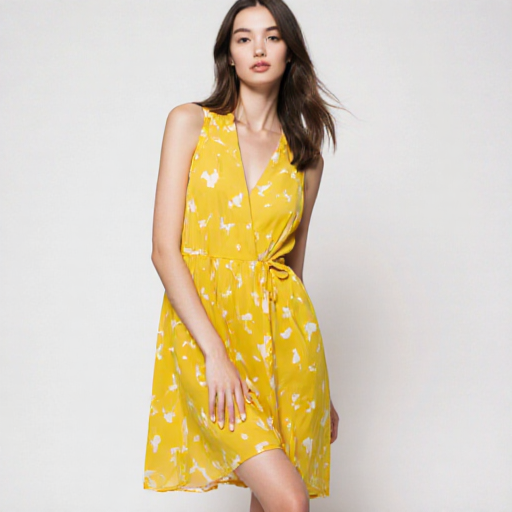
Using personal colour analysis helps you pick shades that harmonize with your skin tone and seasonal palette, ensuring a flattering and cohesive look.
Table of Contents
- Understanding Your Personal Colour Season
- Why Hair Colour Matters for Your Overall Look
- Hair Colour Options for Different Seasons
- Considering Undertones in Hair Colour
- Balancing Highlights and Lowlights
- Maintaining Your Hair Colour Over Time
- Common Mistakes to Avoid
- Final Thoughts
1. Understanding Your Personal Colour Season
Your personal colour season is determined by a combination of your skin tone, eye colour, and natural hair shade. Seasons typically fall into four categories: Spring, Summer, Autumn, and Winter. Each season has a palette of shades that harmonize with your natural features.
Knowing your season is essential before making hair colour changes, as it guides you toward colours that enhance rather than clash.
2. Why Hair Colour Matters for Your Overall Look
Hair is a frame for your face and a key element of your style. The right shade can:
- Brighten your complexion
- Make your eyes pop
- Enhance your wardrobe colours
- Increase confidence in your personal style
Choosing a colour that works with your seasonal palette ensures all elements of your look are cohesive.
3. Hair Colour Options for Different Seasons
- Spring: Warm, golden tones like honey blonde, caramel, and light chestnut.
- Summer: Soft, cool shades such as ash blonde, soft brown, or muted pastel highlights.
- Autumn: Rich, warm colours like copper, auburn, or chocolate brown.
- Winter: Deep, cool tones like jet black, dark brown, or cool ash highlights.
Selecting a colour within your season ensures harmony with your skin and wardrobe.
4. Considering Undertones in Hair Colour
Undertones—cool, warm, or neutral—play a critical role in hair colour choice:
- Cool undertones: Opt for ashy or muted shades.
- Warm undertones: Choose golden, caramel, or copper tones.
- Neutral undertones: Versatility allows for both warm and cool shades.
Understanding your undertone prevents colours from washing you out or creating a jarring effect.
5. Balancing Highlights and Lowlights
Highlights and lowlights add dimension and depth to your hair:
- Use shades that are 1–2 tones lighter or darker than your base colour.
- Ensure they align with your seasonal palette to maintain harmony.
- Highlights can also soften your overall look or brighten specific areas of your face.
This technique enhances texture and prevents a flat appearance.
6. Maintaining Your Hair Colour Over Time
Proper maintenance ensures your hair remains vibrant:
- Use colour-safe shampoos and conditioners
- Schedule regular touch-ups for roots and highlights
- Protect hair from sun and heat damage
- Deep condition to maintain shine and health
Consistent care prolongs the flattering effect of your chosen shade.
7. Common Mistakes to Avoid
- Choosing colours solely based on trends rather than your season
- Ignoring undertones, leading to mismatched looks
- Over-lightening or over-darkening without professional guidance
- Neglecting maintenance, causing colours to fade or clash with your palette
Awareness of these mistakes helps maintain a polished and harmonious appearance.
8. Final Thoughts
Selecting the best hair colour requires a combination of personal assessment, seasonal guidance, and professional advice. By leveraging personal colour analysis, you can choose shades that enhance your natural features, complement your wardrobe, and boost confidence.
When your hair colour aligns with your personal palette, your overall style becomes cohesive, effortless, and flattering, making every outfit and makeup choice shine.