
Sustainable fashion is more than a trend—it is a lifestyle choice that balances style, environmental responsibility, and longevity. In Singapore’s fast-paced urban environment, building a wardrobe that is both sustainable and stylish requires strategic colour selection. By incorporating personal colour analysis into your choices, you can create outfits that remain fashionable across seasons, reduce waste, and align with your natural features.
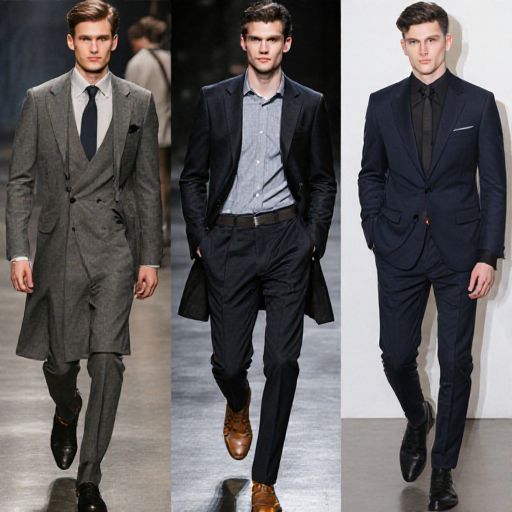
Table of Contents
- Understanding Sustainable Fashion
- The Importance of Colour in Sustainable Wardrobes
- Choosing Timeless Colours for Longevity
- How Personal Colour Analysis Enhances Sustainability
- Fabric and Colour Durability
- Mixing and Matching Colours for Maximum Outfit Combinations
- Accessorising Sustainably with Your Colour Palette
- Adapting Your Wardrobe for Seasonal Changes in Singapore
- Common Mistakes to Avoid in Sustainable Colour Choices
- Conclusion
1. Understanding Sustainable Fashion
Sustainable fashion focuses on producing and consuming clothing responsibly, with minimal environmental impact. Key aspects include:
- Choosing quality fabrics that last longer
- Reducing overconsumption and fast fashion purchases
- Supporting ethical brands and local designers
- Creating a wardrobe that maximises usage of each piece
Sustainability in fashion is not just eco-consciousness; it also promotes a functional, versatile wardrobe that reduces clutter and decision fatigue.
2. The Importance of Colour in Sustainable Wardrobes
Colour plays a crucial role in sustainability because:
- Timeless colours ensure pieces remain wearable across multiple seasons
- Harmonious palettes allow easy mixing and matching, increasing outfit options
- Personal colour alignment reduces the likelihood of discarding items that do not suit you
Selecting the right colours ensures that your sustainable wardrobe is practical, stylish, and cohesive.
3. Choosing Timeless Colours for Longevity
Certain colours are more timeless and adaptable than seasonal trends. These include:
- Neutrals: Black, white, navy, grey, beige
- Earth Tones: Olive, camel, rust
- Classic Accents: Deep red, emerald, cobalt blue
By anchoring your wardrobe around these colours, you can mix and match pieces while maintaining a chic, professional, or casual look without constantly updating your collection.
4. How Personal Colour Analysis Enhances Sustainability
Personal colour analysis identifies shades that best complement your skin tone, hair, and eyes. Integrating it with sustainable fashion allows you to:
- Choose colours that make you look vibrant and confident
- Reduce impulse purchases of colours that clash with your natural features
- Maximise the usage of each garment, ensuring it gets worn multiple times
A wardrobe based on your personal palette ensures sustainability by promoting long-term use of your favourite pieces.
5. Fabric and Colour Durability
When selecting sustainable fashion, fabric choice affects colour longevity:
- Natural Fibres: Cotton, linen, silk, and wool retain colour and wear well over time
- High-Quality Synthetic Blends: Certain blends resist fading and shrinkage, extending garment life
- Colourfast Treatments: Ensure colours remain vibrant after repeated washing and exposure to Singapore’s humid climate
Investing in durable fabrics reduces the frequency of replacement and supports sustainable practices.
6. Mixing and Matching Colours for Maximum Outfit Combinations
A sustainable wardrobe thrives on versatility:
- Use a neutral base for pants, skirts, and jackets
- Introduce accent colours aligned with your personal palette for tops and accessories
- Combine muted and bold shades carefully to expand outfit possibilities
- Layer colours strategically for variety without buying new pieces
This approach ensures that fewer pieces create more outfit options, reducing consumption and waste.
7. Accessorising Sustainably with Your Colour Palette
Accessories enhance your wardrobe without adding bulk:
- Choose shoes, belts, and bags in neutral shades that coordinate with multiple outfits
- Incorporate scarves, ties, or jewellery in accent colours to refresh looks
- Opt for durable, ethically produced accessories that align with your personal palette
Strategic accessorising extends the lifespan and versatility of your sustainable wardrobe.
8. Adapting Your Wardrobe for Seasonal Changes in Singapore
Singapore’s tropical climate requires attention to fabric and colour:
- Lightweight, breathable fabrics in neutrals and muted tones for everyday wear
- Accent colours to reflect festive occasions or special events
- Layering pieces for indoor air-conditioned environments
- Avoid colours that fade quickly under prolonged sun exposure
Adapting colour choices to climate and occasion supports both style and practicality.
9. Common Mistakes to Avoid in Sustainable Colour Choices
- Following fleeting trends instead of timeless colours
- Buying items that clash with your personal colour palette
- Ignoring fabric quality in favour of cheaper, trend-driven items
- Accumulating clothing without versatile combinations
Avoiding these pitfalls ensures your wardrobe remains stylish, cohesive, and sustainable.
10. Conclusion
Integrating personal colour analysis into sustainable fashion choices allows you to build a wardrobe that is versatile, stylish, and long-lasting. By focusing on timeless colours, durable fabrics, and mix-and-match possibilities, you can reduce waste, maximise your wardrobe’s potential, and maintain a polished appearance in Singapore’s urban and professional settings.
For more insights on creating a sustainable wardrobe while using your personal colour palette, visit Sustainable Fashion in Singapore: Choosing Colours That Last and Stay Stylish.