
Table of Contents
- Introduction
- The Importance of Colour Transition from Day to Night
- Understanding Your Base Colour Palette
- Choosing Versatile Foundation Pieces
- Using Accent Colours to Transform Your Look
- Layering Techniques for Effortless Transitions
- Accessorising with Evening-Ready Tones
- Makeup and Hair Adjustments for After-Hours Glamour
- Common Colour Mistakes to Avoid
- Final Thoughts
1. Introduction
In Singapore’s fast-paced lifestyle, transitioning seamlessly from a professional office environment to an after-hours event is an essential skill. Whether you’re heading to dinner, a networking event, or a casual social gathering, your outfit’s colours can make or break your impression. The key is learning how to work with your existing wardrobe pieces and adapt them using strategic colour combinations.
This guide will show you how to use your personal colour palette to move effortlessly from a formal setting to a stylish evening look — without a full outfit change.
2. The Importance of Colour Transition from Day to Night
Colour plays a significant role in how we’re perceived. In the office, neutral and muted tones project professionalism, while deeper or bolder shades add sophistication for evening occasions.
During the day, colours like beige, navy, light grey, and soft pastels create a polished yet approachable look. When the sun sets, adding richness through jewel tones or metallic accents instantly shifts your appearance to evening-ready.
In Singapore’s vibrant cityscape — from the office towers of Raffles Place to the rooftop bars at Marina Bay — mastering this colour transition ensures you look appropriate and confident in every setting.
3. Understanding Your Base Colour Palette
The foundation of any successful work-to-evening transformation starts with your personal colour palette. If your undertones are cool, your wardrobe likely shines in shades of navy, plum, silver, or charcoal. For warmer undertones, opt for camel, coral, olive, or gold-based hues.
Keeping your outfits within your colour season ensures harmony throughout the day. For example, a soft summer palette might rely on dusty blues and rose tones, while a deep autumn palette thrives on burgundy and forest green.
When you understand which colours flatter your skin tone, you can confidently choose which pieces to highlight as you move from work to evening events. For guidance on colour selection in professional settings, explore colour choices for professional settings.
4. Choosing Versatile Foundation Pieces
Start your day with a base outfit that transitions easily. Think of a tailored sheath dress, a silk blouse paired with wide-leg trousers, or a pencil skirt and structured blazer. Stick to neutral base colours like black, navy, ivory, or taupe — these hues serve as a blank canvas for transformation.
Neutral foundations allow you to switch accessories, outerwear, or shoes later without worrying about colour clashes. They also adapt easily to different lighting conditions, remaining flattering under both fluorescent office light and evening ambiance.
5. Using Accent Colours to Transform Your Look
Accent colours are the quickest way to shift your outfit’s mood. During office hours, keep accents subtle — a light scarf, minimalist earrings, or nude heels. When evening comes, swap these for richer hues or metallic details.
For instance:
- Replace a beige blazer with a deep emerald or navy jacket.
- Trade your nude handbag for a burgundy clutch.
- Add gold or silver jewellery that complements your undertone.
These small swaps introduce depth and vibrancy without compromising the professional foundation of your outfit.
If you know your seasonal palette, use your “signature evening shades” — the deeper tones within your range — to add elegance without overpowering your natural colouring.
6. Layering Techniques for Effortless Transitions
Layering is not only practical but also visually effective. A lightweight cardigan, cropped jacket, or silk shawl can completely change an outfit’s tone.
For instance, pair your office shirt with a dark velvet blazer for a refined dinner look. Alternatively, drape a patterned scarf in your accent colours to introduce sophistication without a full wardrobe change.
In Singapore’s humid weather, choose breathable fabrics like cotton, linen blends, or chiffon for layering. They allow flexibility without adding heat, keeping you comfortable during long days that turn into lively nights.
7. Accessorising with Evening-Ready Tones
Accessories are your secret weapon in colour transformation. The right jewellery or handbag can elevate a look instantly.
During office hours, minimalist jewellery in gold, rose gold, or silver works best. When it’s time for evening, upgrade to statement pieces — think gemstone earrings or layered necklaces that match your undertones.
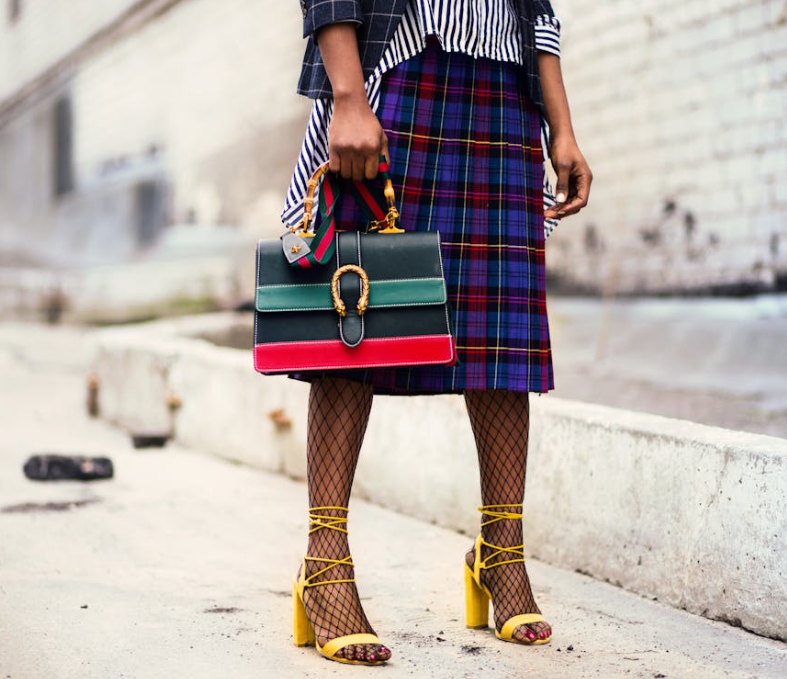
Shoes are another effortless colour update. Swap neutral pumps for bold heels in deep red, navy, or metallic tones. If your base outfit is monochrome, even a pop of colour in your footwear can completely change the visual impression.
8. Makeup and Hair Adjustments for After-Hours Glamour
Colour transition doesn’t stop with clothing. Makeup and hairstyle adjustments help create a cohesive evening look.
During the day, natural tones like soft peach, nude, and taupe are ideal. For the evening, intensify your makeup with deeper lipstick shades such as berry or brick red and subtle shimmer on the eyelids.
When adjusting makeup, ensure your choices still align with your undertones — warm tones suit bronze or gold highlights, while cool tones pair beautifully with silver or mauve accents.
Even a quick change like loosening a bun or adding a pair of statement earrings can make you look instantly ready for an evening event.
9. Common Colour Mistakes to Avoid
- Overcomplicating your palette: Too many competing colours can make your outfit appear disorganised. Stick to two or three complementary shades.
- Ignoring undertones: A cool outfit base with warm-toned accessories often clashes subtly. Match metals and accents to your undertone for harmony.
- Neglecting lighting: What looks balanced under bright office lighting may appear dull in evening light — always test your combinations.
- Using stark contrasts: Avoid pairing extreme light and dark tones without a transition colour, as it may create a harsh visual break.
Avoiding these mistakes ensures your style transitions smoothly while maintaining elegance and consistency throughout the day.
10. Final Thoughts
Adapting your workwear colours for after-hours events is less about changing your outfit and more about strategic adjustments. By understanding your colour palette, choosing versatile base pieces, and introducing accent tones through accessories or layers, you can easily move from a professional setting to an evening atmosphere.
This flexibility not only saves time but also enhances your personal image — showing that you understand how colour influences perception in every environment.
For deeper insight into how your wardrobe colours impact professional impressions, revisit colour choices for professional settings. With a clear understanding of your personal palette and a few quick changes, you’ll always look polished, confident, and ready for any occasion.