
Table of Contents
- Introduction
- Understanding Your Personal Colour Palette
- The Importance of Seasonal Colour Analysis in Daily Outfits
- Key Differences Between Workwear and Weekend Wear
- Identifying Core Workwear Pieces
- Selecting Weekend Staples That Complement Your Palette
- Using Transitional Colours for Versatility
- Accessorizing for Work-to-Weekend Adaptation
- Layering and Mixing Textures for Different Occasions
- Footwear Choices for Seamless Style Shifts
- Common Mistakes to Avoid
- Leveraging Virtual Colour Analysis for Guidance
- Conclusion
Introduction
Adapting your wardrobe from professional office wear to casual weekend attire can be challenging. Ensuring that both your work and leisure outfits align with your natural colouring helps maintain a polished, cohesive appearance at all times.
A professional colour analysis service Singapore can provide guidance on creating versatile outfits that transition smoothly between workdays and weekends while enhancing your natural features.
Understanding Your Personal Colour Palette
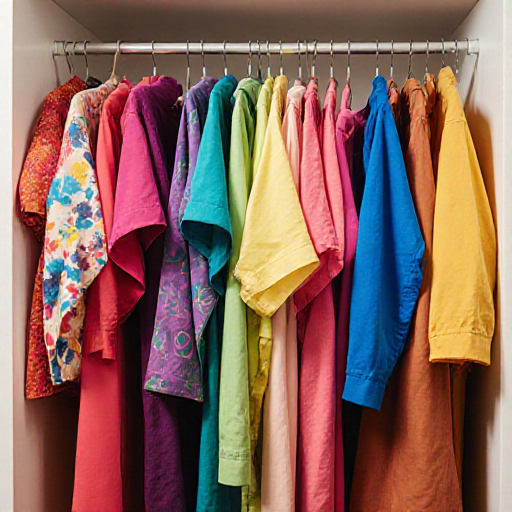
Your personal colour palette identifies shades that complement your skin tone, hair, and eye colour. Applying this palette ensures:
- Outfits enhance your natural glow
- Clothing combinations look harmonious
- Your style appears effortless yet intentional
Knowing your palette is the foundation for versatile styling from office to weekend.
The Importance of Seasonal Colour Analysis in Daily Outfits
Seasonal colour analysis categorizes you into one of four seasons—Spring, Summer, Autumn, Winter—based on your natural colouring. Using this framework allows:
- Selection of flattering colours for every occasion
- Easier coordination of new and existing wardrobe pieces
- Confidence in mixing and matching work and casual wear
Understanding your season helps streamline your daily dressing decisions.
Key Differences Between Workwear and Weekend Wear
- Workwear: Structured, professional, neutral-dominant with subtle accent colours
- Weekend Wear: Relaxed, comfortable, and allows experimentation with brighter or bolder shades
Balancing these differences while respecting your personal palette ensures your style remains cohesive.
Identifying Core Workwear Pieces
Workwear staples should align with your palette:
- Blazers, tailored trousers, and pencil skirts
- Neutral shirts or blouses with palette-appropriate accent colours
- Minimalist accessories in metals or gemstone shades that suit your undertone
These core items provide a professional foundation that can be adapted for casual settings.
Selecting Weekend Staples That Complement Your Palette
Weekend pieces should complement workwear while adding variety:
- Casual tops, dresses, and bottoms in complementary palette colours
- Comfortable fabrics like cotton, linen, or lightweight blends
- Pieces that allow layering and easy pairing with work staples
This strategy ensures your wardrobe remains functional and visually cohesive throughout the week.
Using Transitional Colours for Versatility
Transitional shades bridge work and weekend attire:
- Incorporate muted versions of vibrant colours from your palette
- Use neutral base layers to anchor bright or pastel accent pieces
- Gradually blend workwear colours into casual ensembles
Transitional colours allow effortless shifts without wardrobe overhauls.
Accessorizing for Work-to-Weekend Adaptation
Accessories can transform the vibe of an outfit:
- Swap professional shoes for casual footwear while keeping palette harmony
- Switch minimalist jewellery for statement pieces in complementary colours
- Use scarves, belts, or bags to integrate new accent shades
Thoughtful accessorizing enhances versatility and style cohesion.
Layering and Mixing Textures for Different Occasions
Layering enables smooth adaptation between settings:
- Combine structured workwear with relaxed outerwear for weekends
- Mix fabrics and textures that reflect your season palette
- Use layers to adjust formality and comfort as needed
Proper layering maintains a stylish, polished appearance in any context.
Footwear Choices for Seamless Style Shifts
Shoes play a pivotal role:
- Neutral-toned footwear ensures compatibility with work and casual outfits
- Incorporate palette-appropriate accent colours for visual interest
- Select comfortable, seasonally appropriate styles for Singapore’s tropical climate
The right shoes complete the look while supporting seamless transitions.
Common Mistakes to Avoid
- Wearing work-specific colours in overly casual contexts
- Ignoring personal palette harmony when mixing work and weekend pieces
- Over-accessorizing or under-accessorizing, disrupting outfit balance
- Neglecting comfort for style during casual outings
Avoiding these mistakes ensures your style remains polished and functional.
Leveraging Virtual Colour Analysis for Guidance
A virtual colour analysis service provides:
- Identification of your seasonal palette and best transitional shades
- Advice on mixing work and casual wardrobe items seamlessly
- Recommendations for accessories, footwear, and layering techniques
Using professional guidance ensures confident and effortless daily styling.
Conclusion
Transitioning your wardrobe from work to weekend using personal colour analysis maximizes versatility and style coherence. By understanding your palette, selecting complementary pieces, and incorporating transitional shades, you can adapt your outfits with ease. Utilizing a colour analysis service Singapore guarantees that every outfit enhances your natural features and reflects a polished, confident personal style.