
Table of Contents
- Introduction
- Why Mixing Patterns and Prints Matters
- Understanding Your Personal Colour Palette
- Choosing Complementary Patterns
- Balancing Scale and Proportion
- Using Neutrals to Anchor Your Look
- Layering Patterns Strategically
- Seasonal Considerations in Singapore
- Accessories and Pattern Coordination
- How Virtual Colour Analysis Can Guide Pattern Choices
- Common Mistakes to Avoid
- Conclusion
Introduction
Mixing patterns and prints can transform a simple outfit into a stylish and confident statement. However, doing it without clashing requires understanding your personal colour palette, balancing scale, and carefully coordinating your pieces. Singapore’s dynamic fashion scene, combined with its tropical climate, makes mastering this skill especially valuable for work, social events, and casual outings.
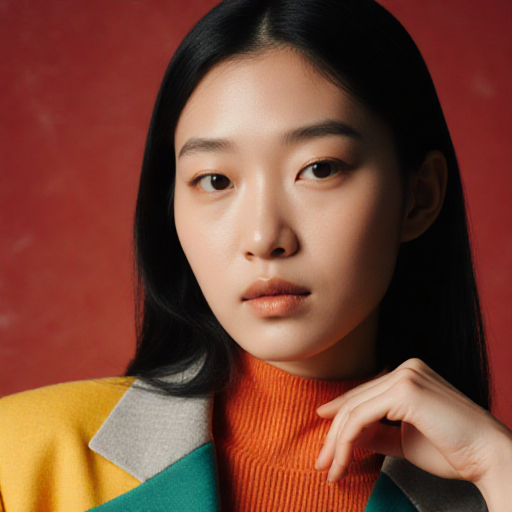
A professional colour analysis service Singapore can guide you in selecting patterns and prints that complement your skin tone and personal style, ensuring a cohesive and polished look.
Why Mixing Patterns and Prints Matters
Patterns and prints:
- Add visual interest and personality to outfits
- Reflect creativity and fashion awareness
- Allow versatile styling of a capsule wardrobe
- Can enhance confidence when coordinated effectively
When combined thoughtfully, patterns can express individuality while maintaining a sophisticated and harmonious appearance.
Understanding Your Personal Colour Palette
Your personal colour palette determines which patterns and prints will work best:
- Warm undertones: Earthy patterns, warm florals, and soft geometric designs
- Cool undertones: Jewel-toned stripes, polka dots, and abstract patterns
- Neutral undertones: Flexible to mix both warm and cool designs
Adhering to your palette ensures patterns enhance your natural features rather than clash with them.
Choosing Complementary Patterns
When mixing prints:
- Select at least one colour that ties the patterns together
- Combine prints that share a tonal family for cohesion
- Use contrasting patterns sparingly to avoid visual overload
For example, pairing a subtle floral blouse with a geometric skirt in the same colour family maintains harmony and elegance.
Balancing Scale and Proportion
Scale is critical when layering patterns:
- Large patterns: Pair with smaller, subtler designs
- Small prints: Can be mixed with other small patterns if the colours harmonize
- Avoid pairing patterns of similar scale with contrasting colours, as it can appear chaotic
Strategic scale balance keeps outfits visually appealing and prevents clashing.
Using Neutrals to Anchor Your Look
Neutral pieces act as a grounding element:
- Solid colours in tops, bottoms, or accessories help integrate patterns
- Neutral layers prevent overwhelming your overall look
- Ensure at least one neutral component in your outfit for visual breathing space
Neutrals provide flexibility when mixing multiple patterns while maintaining a polished appearance.
Layering Patterns Strategically
Layering can add depth without clashing:
- Start with a dominant pattern and add subtle accents
- Keep one layer as the focus while secondary layers support the theme
- Consider textures to differentiate layers without creating visual confusion
This technique enhances outfits for work, casual events, or social gatherings in Singapore.
Seasonal Considerations in Singapore
Singapore’s climate influences pattern and print choices:
- Sunny months: Bold and bright patterns stand out under daylight
- Rainy months: Deep or muted prints suit overcast conditions
- Lightweight fabrics for humid weather prevent patterns from appearing distorted
Adjusting patterns seasonally ensures your outfits remain stylish and comfortable throughout the year.
Accessories and Pattern Coordination
Accessories can unify patterns:
- Shoes, belts, and bags in a coordinating colour
- Minimalist jewellery to prevent visual overload
- Scarves or wraps in complementary tones to tie the ensemble together
Careful accessory selection reinforces cohesion between prints while enhancing overall style.
How Virtual Colour Analysis Can Guide Pattern Choices
A virtual colour analysis consultation can help you:
- Identify dominant and accent colours for patterns
- Recommend which prints best suit your undertones
- Ensure layered patterns harmonize without clashing
Professional guidance simplifies outfit planning and enhances confidence in your style choices.
For additional inspiration, refer to our guide on mixing patterns and prints without clashing your colour palette, which provides practical tips for versatile and sophisticated styling.
Common Mistakes to Avoid
- Combining patterns with no shared colour
- Using too many large-scale patterns at once
- Ignoring seasonal and lighting considerations
- Neglecting neutral pieces to anchor your outfit
Avoiding these mistakes ensures a harmonious, polished, and confident look.
Conclusion
Mastering the art of mixing patterns and prints requires an understanding of your personal colour palette, attention to scale and proportion, and strategic use of neutrals and accessories. By applying these principles and leveraging a colour analysis service, you can create stylish, versatile, and cohesive outfits suitable for Singapore’s climate, professional settings, and social occasions.