• Skip to primary navigation
  • Skip to main content
StyleUp

StyleUp

Personal Colour Analysis in Singapore

  • Home
  • Services
  • Blog

Colour Analysis

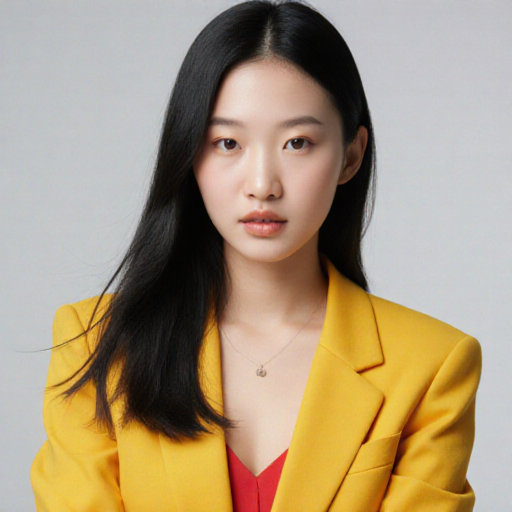
Fashion Colour Trends 2026: Adapting Them to Your Personal Palette

December 20, 2025 by admin

Each year brings new fashion colour trends, and 2026 is no exception. From bold jewel tones to muted pastels, the latest palette offers plenty of options for updating your wardrobe. However, not every trend suits every individual. Wearing colours that clash with your skin tone or personal style can detract from your overall appearance.

Adapting trends to your own seasonal palette ensures that you stay stylish while looking naturally harmonious.

Fashion Colour Trends 2026: Adapting Them to Your Personal Palette

Table of Contents

  1. Understanding Colour Trends for 2026
  2. Evaluating Which Trends Suit Your Personal Palette
  3. Incorporating Trend Colours Into Your Wardrobe
  4. Balancing Bold and Neutral Shades
  5. Accessories to Enhance Trendy Colours
  6. Seasonal Adjustments for Singapore’s Climate
  7. Common Mistakes to Avoid
  8. Final Thoughts

1. Understanding Colour Trends for 2026

Fashion colour trends for 2026 include:

  • Jewel Tones: Deep emerald, sapphire, and ruby shades
  • Pastels: Soft lavender, mint, and blush pink
  • Earthy Neutrals: Warm browns, beiges, and olive greens
  • Bold Accents: Vibrant oranges, yellows, and cobalt blue

Being aware of trends helps you incorporate them thoughtfully into your wardrobe.


2. Evaluating Which Trends Suit Your Personal Palette

Not all trend colours suit every individual. Using your seasonal palette as a guide allows you to:

  • Identify which bold shades harmonize with your skin tone
  • Avoid colours that clash or wash you out
  • Make informed decisions about statement pieces

This approach ensures your trend adaptations enhance your natural features rather than overpower them.


3. Incorporating Trend Colours Into Your Wardrobe

  • Start with small pieces like tops, scarves, or handbags
  • Introduce statement pieces in colours that complement your palette
  • Mix and match trend shades with your core wardrobe items

Gradual integration ensures you stay current without compromising personal style.


4. Balancing Bold and Neutral Shades

  • Anchor bright trend colours with neutrals from your seasonal palette
  • Use bold shades as accent pieces rather than entire outfits
  • Consider layering neutral and trendy pieces for a harmonious look

Balancing bold and neutral shades keeps outfits cohesive and visually appealing.


5. Accessories to Enhance Trendy Colours

Accessories are an effective way to embrace trends:

  • Statement jewellery or handbags can introduce new colours
  • Shoes or belts in trend shades add subtle flair
  • Hats and scarves can incorporate seasonal colours without overwhelming your look

This method allows flexibility while maintaining your personal palette.


6. Seasonal Adjustments for Singapore’s Climate

  • Light fabrics in trend colours keep you comfortable in humid weather
  • Avoid overly dark shades that absorb heat in tropical climates
  • Consider breathable materials that maintain colour vibrancy over time

Adapting trends for climate ensures practicality and style go hand in hand.


7. Common Mistakes to Avoid

  • Following trends blindly without considering your palette
  • Overloading outfits with multiple bright shades
  • Ignoring material and fit in favour of colour
  • Neglecting how trend colours interact with your existing wardrobe

Avoiding these mistakes helps maintain style harmony and practicality.


8. Final Thoughts

Fashion colour trends can inspire creativity and refresh your wardrobe. By aligning trend colours with your seasonal palette, you ensure a cohesive and flattering look. Thoughtful incorporation of 2026’s shades allows you to stay fashionable while maintaining your personal style identity, creating a wardrobe that is both trendy and timeless.

Filed Under: Colour Analysis

How to Pick the Right Eyewear Frames for Your Skin Tone and Colour Season

December 14, 2025 by admin

Choosing the right eyewear frames goes beyond style trends—it’s about selecting shapes and colours that enhance your facial features and complement your personal colour palette. The wrong frame can clash with your skin tone, distract from your natural features, and even make your complexion look dull.

Incorporating personal colour analysis helps you choose frames that harmonize with your skin tone, hair colour, and overall style, ensuring a flattering and cohesive look.

How to Pick the Right Eyewear Frames for Your Skin Tone and Colour Season

Table of Contents

  1. Understanding Your Face Shape
  2. The Role of Colour in Eyewear Selection
  3. Matching Frames to Your Personal Colour Season
  4. Selecting the Right Frame Material
  5. Balancing Bold vs. Subtle Frames
  6. Eyewear for Different Occasions
  7. Common Mistakes to Avoid
  8. Final Thoughts

1. Understanding Your Face Shape

Face shape determines which frame styles suit you best:

  • Oval: Most frame shapes work well.
  • Round: Angular or rectangular frames add definition.
  • Square: Rounded or oval frames soften angles.
  • Heart: Frames wider at the top balance your features.
  • Diamond: Oval or rimless frames complement cheekbones.

Understanding your face shape ensures the frame enhances your natural features.


2. The Role of Colour in Eyewear Selection

Frame colour impacts how your eyewear interacts with your skin tone:

  • Warm skin tones pair well with tortoiseshell, gold, and brown shades.
  • Cool skin tones suit black, silver, grey, or blue tones.
  • Neutral skin tones can often pull off a wider variety of colours.

Correct colour selection brings balance and ensures your frames highlight your natural features.


3. Matching Frames to Your Personal Colour Season

Each personal colour season has an ideal range of frame colours:

  • Spring: Warm, soft colours like peach, coral, and light brown.
  • Summer: Cool, muted shades such as pastel blues, soft greys, and rosewood.
  • Autumn: Deep, rich tones like olive, amber, and chocolate.
  • Winter: Bold, cool shades such as black, navy, and jewel tones.

Using personal colour analysis helps you narrow down colours that enhance your complexion and make your eyewear look intentional.


4. Selecting the Right Frame Material

Material affects both comfort and style:

  • Metal Frames: Sleek, lightweight, and versatile.
  • Acetate/Plastic Frames: Bold colours and patterns, ideal for seasonal palettes.
  • Wooden Frames: Eco-friendly, natural tones that suit warm palettes.

Consider durability, weight, and aesthetics in addition to colour.


5. Balancing Bold vs. Subtle Frames

  • Bold frames make a statement and work well for minimalistic wardrobes.
  • Subtle frames blend effortlessly with outfits and highlight facial features.
  • Choose according to lifestyle, personality, and wardrobe coordination.

A well-balanced choice ensures your eyewear complements rather than overwhelms your look.


6. Eyewear for Different Occasions

  • Professional Settings: Neutral and classic tones convey sophistication.
  • Casual Outings: Experiment with fun patterns or seasonal colours.
  • Special Events: Statement pieces can add personality without clashing with your palette.

Adapting your frames to context ensures versatility and cohesion in your style.


7. Common Mistakes to Avoid

  • Selecting colours that clash with your skin undertone
  • Ignoring face shape when choosing frame style
  • Choosing trendy shades that don’t suit your season
  • Neglecting comfort and fit in favour of aesthetics

Avoiding these mistakes helps maintain both style and functionality.


8. Final Thoughts

Picking the right eyewear frames is a combination of understanding your face shape, colour season, and personal style. By leveraging personal colour analysis, you can confidently choose frames that enhance your features, complement your wardrobe, and create a polished, cohesive look.

Well-chosen eyewear not only improves appearance but also boosts confidence, making it an essential accessory for every personal style.

Filed Under: Colour Analysis

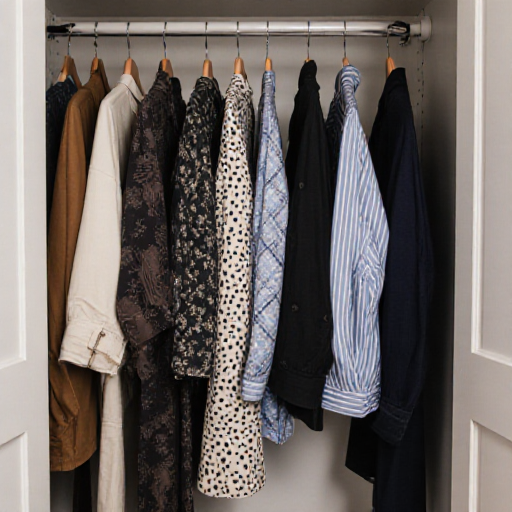
Mixing Patterns and Prints Without Clashing Your Colour Palette

December 7, 2025 by admin

Mixing patterns and prints can elevate your style, giving outfits depth, personality, and visual interest. However, without careful consideration, combining patterns can easily look chaotic or mismatched. The key is understanding how your personal colours and style preferences influence pattern pairing. Using personal colour analysis can guide you in creating harmonious, eye-catching combinations that enhance your natural features.


Table of Contents

  1. Understanding the Basics of Pattern Mixing
  2. Choosing Patterns Based on Your Colour Palette
  3. Balancing Scale and Proportion
  4. Anchoring Outfits with Neutrals
  5. Using Accessories to Tie Patterns Together
  6. Patterns for Different Occasions
  7. Common Mistakes to Avoid
  8. Final Thoughts

1. Understanding the Basics of Pattern Mixing

Before diving into pattern mixing, it’s important to understand a few fundamental principles:

  • Contrast vs. Harmony: Some patterns work well because they contrast each other subtly, while others harmonize through shared colours.
  • Repeating Colours: Identify common colours in different patterns to create cohesion.
  • Visual Balance: Ensure one pattern dominates while the others complement without overpowering.
Mixing Patterns and Prints Without Clashing Your Colour Palette

Recognizing these basics helps you pair prints confidently and intentionally.


2. Choosing Patterns Based on Your Colour Palette

Your personal colour palette plays a crucial role in pattern selection:

  • Stick to patterns that feature shades from your season.
  • Avoid colours that clash with your undertones, as they can distract from your natural features.
  • Incorporate accent colours thoughtfully to highlight your best tones.

By aligning patterns with your palette, each outfit enhances your overall look rather than competing with it.


3. Balancing Scale and Proportion

Mixing patterns requires attention to scale:

  • Large vs. Small: Pair a large floral print with a smaller geometric pattern for balance.
  • Dominant Patterns: Let one pattern be the focal point, with supporting prints taking secondary roles.
  • Repeating Motifs: Patterns with recurring elements help tie different prints together.

Proportion ensures your outfits remain stylish and visually coherent.


4. Anchoring Outfits with Neutrals

Neutrals act as a stabilizing force when combining prints:

  • Use neutral bottoms with patterned tops or vice versa.
  • Accessories like belts, shoes, and bags in neutral shades provide cohesion.
  • Neutrals prevent outfits from appearing too busy while allowing your patterns to stand out.

Neutral grounding makes mixing prints approachable for everyday wear.


5. Using Accessories to Tie Patterns Together

Accessories can unify seemingly unrelated patterns:

  • Scarves, jewellery, and handbags in colours that echo elements of your prints create harmony.
  • Shoes or belts in your core neutral palette act as visual connectors.
  • Accessories can also introduce subtle contrast without clashing.

Thoughtful accessorizing elevates pattern mixing from chaotic to chic.


6. Patterns for Different Occasions

The type of event influences how boldly you can mix patterns:

  • Work or Professional Settings: Stick to muted prints, smaller patterns, and subtle combinations.
  • Casual or Social Events: Experiment with larger, bolder prints and layered patterns.
  • Formal Events: Use patterns sparingly, pairing with solid-colour pieces for sophistication.

Adapting patterns to context ensures your outfit always feels appropriate.


7. Common Mistakes to Avoid

To master pattern mixing, avoid these pitfalls:

  • Clashing colour families that don’t complement your personal palette.
  • Overloading multiple bold patterns without a unifying colour.
  • Ignoring scale and proportion, resulting in visual imbalance.
  • Forgetting to accessorize thoughtfully to harmonize patterns.

Awareness of these mistakes helps refine your styling choices.


8. Final Thoughts

Mixing patterns and prints can transform your wardrobe into a dynamic, expressive collection. By grounding your choices in personal colour analysis, balancing scale and proportion, and using neutrals and accessories wisely, you can confidently pair prints that flatter your features and reflect your personality.

With practice and attention to detail, pattern mixing becomes a fun and stylish way to showcase your unique fashion sense.

Filed Under: Colour Analysis

How to Transition Your Wardrobe When Your Personal Colour Season Changes

December 4, 2025 by admin

Your personal colour season is not set in stone. Over time, changes in skin tone, hair colour, lifestyle, or even fashion trends may require you to adjust your wardrobe to better suit your current palette. Transitioning your wardrobe thoughtfully ensures that your clothing continues to complement your natural features, boosts confidence, and keeps your style feeling fresh.

How to Transition Your Wardrobe When Your Personal Colour Season Changes

Using insights from personal colour analysis can make this process smoother and more effective.


Table of Contents

  1. Understanding Why Your Colour Season May Change
  2. Assessing Your Current Wardrobe
  3. Identifying Key Colours for Your New Season
  4. Gradually Replacing Items
  5. Accessorizing for Seamless Transitions
  6. Updating Makeup and Hair to Match Your Palette
  7. Maintaining Flexibility in Your Wardrobe
  8. Final Thoughts

1. Understanding Why Your Colour Season May Change

Several factors can influence a shift in your personal colour season:

  • Hair Colour Changes: Dyeing your hair or natural changes (like greying) can alter how certain colours interact with your features.
  • Skin Tone Shifts: Sun exposure, aging, or skincare changes can subtly modify your undertones.
  • Fashion Trends: Incorporating trending colours may reveal new favourites that complement your palette.

Recognizing these changes is the first step in creating a wardrobe that feels harmonious with your evolving features.


2. Assessing Your Current Wardrobe

Start by reviewing your existing clothes:

  • Identify pieces that still align with your updated palette.
  • Separate items that no longer suit your current season.
  • Consider donating, selling, or repurposing outdated colours.

This evaluation helps you see gaps and prevents unnecessary purchases that don’t enhance your updated look.


3. Identifying Key Colours for Your New Season

Once your new colour season is established, highlight the core colours that define your palette. These may include:

  • Neutrals: The base colours that anchor your wardrobe, such as creams, taupes, or navy.
  • Accent Colours: Bright or muted shades that add personality and vibrancy.
  • Complementary Tones: Colours that harmonize with your eyes, hair, and skin undertones.

Focusing on these key colours ensures each new piece integrates seamlessly into your wardrobe.


4. Gradually Replacing Items

A sudden overhaul can be overwhelming and expensive. Instead:

  • Replace worn-out or outdated items with pieces that fit your new palette.
  • Shop mindfully, prioritizing versatile items that can be mixed and matched.
  • Start with essentials like tops, jackets, and dresses, then update secondary items over time.

This approach helps you transition smoothly without clutter or unnecessary expense.


5. Accessorizing for Seamless Transitions

Accessories can bridge the gap between old and new wardrobe pieces:

  • Scarves, belts, or handbags in new palette colours can revitalize older clothing.
  • Jewellery in complementary tones enhances overall harmony.
  • Shoes and eyewear in updated shades can subtly shift your look.

These small adjustments allow you to maintain style continuity during the transition period.


6. Updating Makeup and Hair to Match Your Palette

Your updated colour season might also influence makeup and hair choices:

  • Choose lipsticks, eyeshadows, and blushes that harmonize with your palette.
  • Consider hair highlights or tints that complement your updated wardrobe.
  • Regularly reassess how colours interact with your natural features under different lighting.

Aligning these elements ensures a cohesive and polished appearance.


7. Maintaining Flexibility in Your Wardrobe

Flexibility is key to long-term style satisfaction:

  • Keep a few neutral staples that work across multiple palettes.
  • Experiment with trendy colours within the context of your updated season.
  • Periodically review your wardrobe to remove pieces that no longer resonate.

A flexible wardrobe adapts to lifestyle changes, personal growth, and seasonal shifts without feeling restrictive.


8. Final Thoughts

Transitioning your wardrobe when your personal colour season changes is an opportunity to refresh your style, boost confidence, and ensure that every piece works harmoniously with your natural features.

By using colour analysis as a guide, you can approach this transition strategically, avoiding wasted purchases while creating a wardrobe that feels authentic, vibrant, and versatile.

This mindful approach ensures your style evolves gracefully, keeping you looking polished and confident in every season.

Filed Under: Colour Analysis

How to Refresh Your Wardrobe Sustainably: Recolour, Restyle, and Reuse Based on Your Personal Palette

November 27, 2025 by admin

Table of Contents

  1. Introduction
  2. Understanding Your Personal Colour Palette
    • Seasonal Colour Analysis Overview
    • Identifying Key Colours and Undertones
  3. The Importance of Sustainable Wardrobe Refreshing
    • Reducing Waste and Overconsumption
    • Making the Most of Existing Garments
  4. Recolour: Updating Colours for a Fresh Look
    • Dyeing and Fabric Treatments
    • Choosing New Pieces That Align with Your Palette
    • Colour Coordination Strategies
  5. Restyle: Transforming Existing Pieces
    • Alterations and Tailoring
    • Layering and Mixing Textures
    • Accessorizing to Change the Look
  6. Reuse: Creative Ways to Incorporate Old Items
    • Upcycling and Repurposing Clothing
    • Swapping and Sharing With Friends or Family
    • Donating or Recycling Unused Items Responsibly
  7. Seasonal Wardrobe Planning
    • Adjusting Colours for Singapore’s Tropical Climate
    • Capsule Wardrobe Principles
    • Planning for Versatility and Occasion-Specific Outfits
  8. Integrating Accessories and Makeup
    • Matching Accessories to Your Palette
    • Incorporating Makeup to Complement Updated Looks
  9. Practical Shopping Tips for Sustainable Updates
    • Supporting Local Singaporean Brands
    • Online Thrift Stores and Second-Hand Finds
    • Investing in Timeless, Versatile Pieces
  10. Common Challenges and Solutions
    • Maintaining Colour Accuracy After Dyeing
    • Combining Old and New Pieces Seamlessly
    • Balancing Trendy vs. Timeless Styles
  11. Conclusion
  12. References and Further Reading

1. Introduction

Refreshing your wardrobe doesn’t always require purchasing entirely new clothing. By leveraging your personal colour palette, you can sustainably rejuvenate your existing wardrobe through recolouring, restyling, and reusing items. In Singapore, where the tropical climate and vibrant lifestyle influence fashion choices, aligning garments with your seasonal colours ensures both practicality and aesthetic appeal. This approach minimizes waste, promotes sustainability, and enhances your overall style.

How to Refresh Your Wardrobe Sustainably: Recolour, Restyle, and Reuse Based on Your Personal Palette

2. Understanding Your Personal Colour Palette

Seasonal Colour Analysis Overview

Seasonal colour analysis divides individuals into Spring, Summer, Autumn, or Winter palettes based on skin tone, hair, and eye colour. Each season has a unique set of colours that enhance your natural features.

Identifying Key Colours and Undertones

Knowing your key colours allows you to determine which existing garments can be updated, paired, or repurposed, making your wardrobe more cohesive and flattering.


3. The Importance of Sustainable Wardrobe Refreshing

Reducing Waste and Overconsumption

By updating and repurposing items, you reduce textile waste and avoid the environmental impact of constant shopping.

Making the Most of Existing Garments

Creative styling and colour coordination breathe new life into clothing you already own, saving both money and resources.


4. Recolour: Updating Colours for a Fresh Look

Dyeing and Fabric Treatments

  • Use fabric-safe dyes to refresh faded items.
  • Consider tie-dye or ombre effects for creative updates.

Choosing New Pieces That Align with Your Palette

  • Introduce new items in shades that complement your seasonal colours.
  • Prioritize pieces that can mix and match with existing wardrobe staples.

Colour Coordination Strategies

  • Pair updated pieces with neutrals or complementary colours.
  • Use colour repetition to create a cohesive look across multiple outfits.

5. Restyle: Transforming Existing Pieces

Alterations and Tailoring

  • Adjust hemlines, sleeves, or fit to modernize older pieces.
  • Tailoring ensures garments fit properly and enhance your natural features.

Layering and Mixing Textures

  • Combine fabrics like linen, silk, and cotton for added depth.
  • Layering allows for versatile outfits that adapt to Singapore’s tropical climate.

Accessorizing to Change the Look

  • Use belts, scarves, or statement jewellery to transform simple pieces.
  • Accessories aligned with your palette can unify restyled garments.

6. Reuse: Creative Ways to Incorporate Old Items

Upcycling and Repurposing Clothing

  • Convert old shirts into crop tops, skirts into bags, or scarves into belts.
  • Reinvent pieces creatively while maintaining their original charm.

Swapping and Sharing With Friends or Family

  • Organize clothing swaps to refresh your wardrobe without buying new items.

Donating or Recycling Unused Items Responsibly

  • Ensure unused garments reach charity organizations or textile recycling programs.

7. Seasonal Wardrobe Planning

Adjusting Colours for Singapore’s Tropical Climate

  • Opt for breathable fabrics in shades that flatter your palette.
  • Rotate wardrobe items seasonally to maintain freshness and comfort.

Capsule Wardrobe Principles

  • Focus on versatile, foundational pieces in neutral or key seasonal colours.
  • Limit excessive duplicates and streamline your wardrobe for functionality.

Planning for Versatility and Occasion-Specific Outfits

  • Choose pieces that transition easily from work to casual or evening settings.
  • Mix and match new and existing items to create multiple looks.

8. Integrating Accessories and Makeup

Matching Accessories to Your Palette

  • Coordinate shoes, bags, and jewellery to complement recoloured or restyled garments.

Incorporating Makeup to Complement Updated Looks

  • Adjust lipstick, blush, and eyeshadow shades to harmonize with refreshed wardrobe colours.

9. Practical Shopping Tips for Sustainable Updates

Supporting Local Singaporean Brands

  • Purchase from brands that focus on sustainable and ethically produced clothing.

Online Thrift Stores and Second-Hand Finds

  • Explore pre-loved items that match your seasonal palette for eco-friendly wardrobe updates.

Investing in Timeless, Versatile Pieces

  • Prioritize classic items that remain stylish over time and can integrate seamlessly with recoloured or restyled garments.

10. Common Challenges and Solutions

Maintaining Colour Accuracy After Dyeing

  • Test dyes on small fabric sections before full application.
  • Follow care instructions to prevent fading.

Combining Old and New Pieces Seamlessly

  • Use neutral or shared accent colours to tie outfits together.

Balancing Trendy vs. Timeless Styles

  • Introduce trend-based items sparingly and anchor them with timeless palette-aligned pieces.

11. Conclusion

Refreshing your wardrobe sustainably using your personal colour palette allows you to maximize the potential of your existing clothing, reduce environmental impact, and maintain a stylish, cohesive appearance. By recolouring, restyling, and creatively reusing items, Singapore residents can achieve versatile, practical, and aesthetically pleasing wardrobes that adapt to both lifestyle and climate.


12. References and Further Reading

  • How to Refresh Your Wardrobe Sustainably: Recolour, Restyle, and Reuse Based on Your Personal Palette – Explore practical tips for sustainable wardrobe updates.
  • The Science Behind Seasonal Colour Analysis: How It Works – Understand the foundation of seasonal colour analysis for effective wardrobe planning.

Filed Under: Colour Analysis

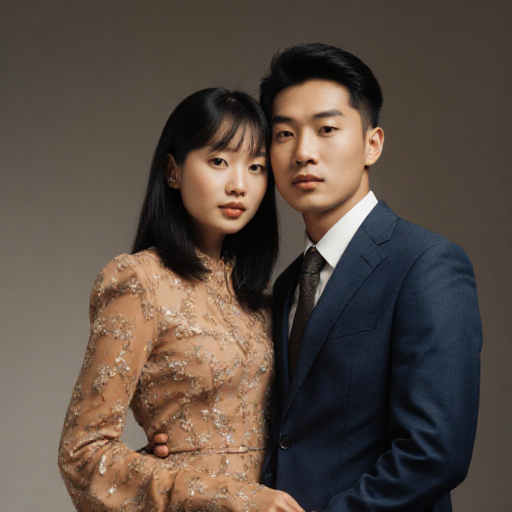
Colour Harmony in Couples’ Outfits: Coordinating Styles for Photoshoots and Events in Singapore

November 23, 2025 by admin

Table of Contents

  1. Introduction
  2. Understanding Colour Harmony
    • Complementary, Analogous, and Monochromatic Schemes
    • The Role of Seasonal Colour Analysis
  3. Why Colour Coordination Matters for Couples
    • Enhancing Photographs
    • Conveying Unity and Style
  4. Determining Your Seasonal Palettes
    • Individual Assessment
    • Shared Colour Considerations
  5. Coordinating Couples’ Outfits
    • Matching Without Being Identical
    • Using Accent Colours Strategically
    • Balancing Patterns and Textures
  6. Planning for Photoshoots
    • Location and Lighting Considerations
    • Seasonal and Event-Appropriate Choices
    • Props and Accessories
  7. Event Styling Tips
    • Weddings and Engagements
    • Festivals and Celebrations
    • Formal Gala Events
  8. Accessory Coordination
    • Jewellery, Bags, and Footwear
    • Matching Accessories to Outfits and Colours
  9. Practical Shopping Tips in Singapore
    • Local Boutiques and Department Stores
    • Online Options for Colour-Matched Clothing
    • Budget-Friendly and Sustainable Choices
  10. Troubleshooting Common Challenges
    • Clashing Colours and Overpowering Patterns
    • Working with Different Skin Tones
    • Adjusting for Climate and Comfort
  11. Conclusion
  12. References and Further Reading

1. Introduction

Coordinating outfits as a couple can elevate your overall appearance and create visually cohesive looks for photoshoots, weddings, or social events. In Singapore, where outdoor photoshoots and indoor celebrations are popular, understanding colour harmony is key to achieving flattering and stylish results. By aligning clothing choices with personal seasonal palettes and strategic colour coordination, couples can present a unified aesthetic while maintaining individuality.

Colour Harmony in Couples’ Outfits: Coordinating Styles for Photoshoots and Events in Singapore

2. Understanding Colour Harmony

Complementary, Analogous, and Monochromatic Schemes

  • Complementary Colours: Opposite hues on the colour wheel that create vibrant contrast.
  • Analogous Colours: Adjacent hues that provide a harmonious, cohesive appearance.
  • Monochromatic Colours: Variations of a single hue for a sophisticated and minimalist look.

The Role of Seasonal Colour Analysis

Seasonal colour analysis categorizes individuals into Spring, Summer, Autumn, or Winter palettes. By understanding each partner’s palette, couples can select colours that enhance their natural tones while harmonizing together.


3. Why Colour Coordination Matters for Couples

Enhancing Photographs

Well-coordinated outfits ensure that neither partner’s attire overshadows the other. Colour harmony contributes to balanced and visually appealing photos.

Conveying Unity and Style

Matching colour schemes subtly signals connection and style awareness, creating a polished impression for events and social gatherings.


4. Determining Your Seasonal Palettes

Individual Assessment

Each partner should determine their seasonal palette based on skin undertones, hair colour, and eye colour. This helps in identifying flattering shades and avoiding colours that wash out the complexion.

Shared Colour Considerations

Couples can select a shared colour or complementary tones that work across both palettes, ensuring balance while reflecting each individual’s natural colouring.


5. Coordinating Couples’ Outfits

Matching Without Being Identical

Avoid wearing exactly the same colour; instead, use complementary shades or one shared accent colour while keeping the main outfit distinct.

Using Accent Colours Strategically

Scarves, ties, handbags, or shoes can introduce accent colours to link outfits subtly without overwhelming the overall look.

Balancing Patterns and Textures

Combine solid colours with patterned pieces, ensuring patterns do not clash. Textured fabrics add depth while maintaining colour cohesion.


6. Planning for Photoshoots

Location and Lighting Considerations

Select colours that complement the backdrop, whether it’s urban architecture, greenery, or beach settings. Consider lighting to prevent colours from appearing washed out or overly vibrant.

Seasonal and Event-Appropriate Choices

  • Spring and Summer: Light, warm, or pastel colours work well in daylight settings.
  • Autumn and Winter: Rich, earthy, or deep tones enhance indoor or evening photos.

Props and Accessories

Incorporate props like umbrellas, hats, or bouquets in colours that align with the couples’ coordinated palettes.


7. Event Styling Tips

Weddings and Engagements

  • Match formalwear with complementary colour tones to coordinate without looking overly uniform.
  • Ensure attire suits the wedding theme while reflecting seasonal palettes.

Festivals and Celebrations

  • Incorporate vibrant, culturally significant colours for festive occasions.
  • Balance bold shades with neutrals to avoid visual overload.

Formal Gala Events

  • Opt for high-contrast or jewel-toned combinations to convey elegance and sophistication.

8. Accessory Coordination

Jewellery, Bags, and Footwear

  • Metals, gemstones, and leather accessories should complement each outfit and harmonize with shared colours.

Matching Accessories to Outfits and Colours

  • Use accessories to reinforce colour cohesion, such as a tie matching a handbag or coordinating shoes with a partner’s outfit accents.

9. Practical Shopping Tips in Singapore

Local Boutiques and Department Stores

  • Explore stores offering seasonal colour guidance or curated couples’ collections.

Online Options for Colour-Matched Clothing

  • Many retailers provide colour filters and virtual try-on tools to ensure coordinated outfits.

Budget-Friendly and Sustainable Choices

  • Mix investment pieces with affordable items while considering sustainable fabrics for lasting style.

10. Troubleshooting Common Challenges

Clashing Colours and Overpowering Patterns

  • Limit the number of bold colours per outfit.
  • Stick to complementary or analogous schemes.

Working with Different Skin Tones

  • Choose shared accent colours or neutrals that flatter both partners.

Adjusting for Climate and Comfort

  • Select breathable fabrics suitable for Singapore’s tropical weather while maintaining colour integrity.

11. Conclusion

Coordinating outfits as a couple enhances both personal and photographic appeal. By understanding colour harmony, considering seasonal palettes, and integrating strategic accents, couples in Singapore can achieve stylish, balanced, and cohesive looks for photoshoots and events.


12. References and Further Reading

  • Colour Harmony in Couples’ Outfits: Coordinating Styles for Photoshoots and Events in Singapore – Explore practical tips for matching outfits and achieving visual cohesion.
  • The Science Behind Seasonal Colour Analysis: How It Works – Learn the principles of seasonal colour analysis to guide coordinated styling.

Filed Under: Colour Analysis

  • « Go to Previous Page
  • Page 1
  • Page 2
  • Page 3
  • Page 4
  • Page 5
  • Interim pages omitted …
  • Page 10
  • Go to Next Page »

styleup.sg
Copyright © 2026